Mangroves and the Blue Economy: Towards Sustainable Yemeni Coasts

Mangroves and the Blue Economy: Towards Sustainable Yemeni Coasts
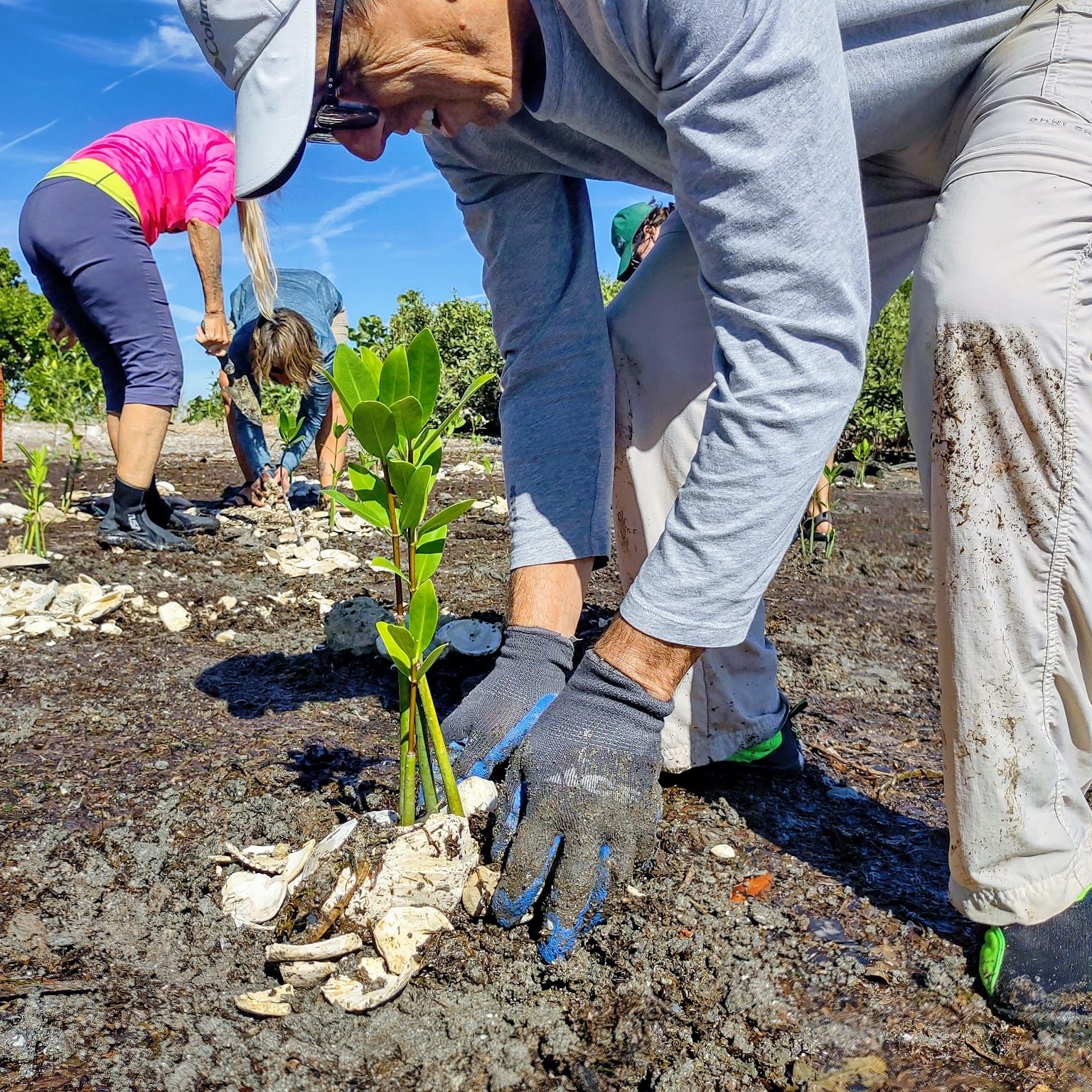
The blue economy is considered one of the modern concepts that focuses on investing in marine and coastal resources in a sustainable manner, contributing to economic growth, job creation, and the preservation of the marine environment. In this context, mangrove forests occupy a strategic position at the heart of the blue economy, given the critical environmental, economic, and social services they provide. Mangroves: The Lungs of the Coasts and Their Natural Fortress Mangrove forests are among the unique coastal ecosystems, performing several vital roles, most notably: Natural protection of shorelines from erosion and rising sea levels, thereby reducing risks associated with climate-related disasters. Mitigation of climate change impacts through their high capacity to store blue carbon, one of the most important natural solutions to combat global warming. Enhancing marine biodiversity by providing rich habitats for thousands of species of fish, birds, and microorganisms. Support for food security and livelihoods of coastal fishing communities, as they serve as natural nurseries for fish and crustaceans. The Yemeni Context and Mangrove Challenges Yemeni coasts have witnessed a noticeable degradation in mangrove ecosystems over past decades due to human pressures such as urban expansion and overharvesting of trees, in addition to the impacts of climate change. This degradation has resulted in: Decline in fish stocks. Reduced income for coastal fishermen. Increased vulnerability of coastal communities to environmental disasters. Mangroves as Part of the Blue Economy in Yemen Rehabilitation and planting of mangrove forests can serve as a key entry point for Yemen to strengthen its blue economy through: Sustainable development of fishery resources, increasing productivity and supporting local and international markets. Creation of green jobs in coastal agriculture, ecotourism (coastal eco-tourism), and environmental services. Attraction of international climate finance through blue carbon projects. Achievement of Sustainable Development Goals (SDGs), particularly Goal 14 (Life Below Water) and Goal 13 (Climate Action). Towards a Sustainable Future Integrating mangrove forests into Yemen’s blue economy vision is not merely an environmental option, but an economic and social investment that ensures the sustainability of natural resources and protects future generations. Accordingly, projects such as planting 100,000 mangrove seedlings across 40 coastal areas represent a practical step toward achieving this integration between economic development and environmental protection.
Discussion (0)

Be the first to comment!

Please log in to post a comment or reply.