Coffee and the Blue Economy: From Mountain to Sea, From Idea to Entrepreneurship

Coffee and the Blue Economy: From Mountain to Sea, From Idea to Entrepreneurship
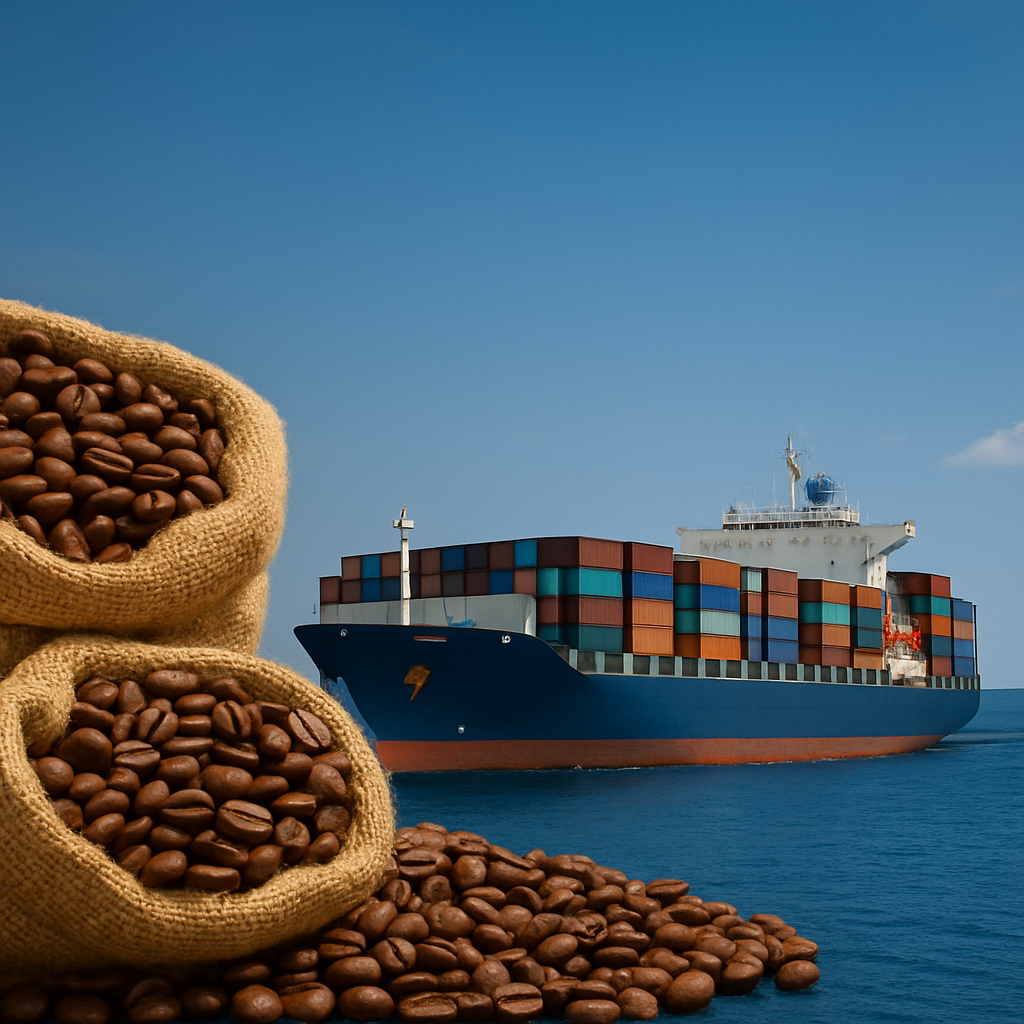
When we talk about the blue economy, what often comes to mind is the sea, ships, fisheries, or marine energy. Yet behind this concept lie intertwined human and commercial stories—one of the most compelling is the story of coffee. This agricultural product begins in the hands of farmers in the mountains and reaches the cups of millions around the world, passing through the seas that open pathways to international markets. Coffee and Maritime Supply Chains Coffee is one of the most widely traded agricultural commodities globally, with more than 70% of its production is transported via maritime routes. Here, the sea emerges as a vital bridge connecting remote mountain villages to global markets. Ports along the Red Sea, the Gulf of Aden, and the Arabian Sea represent strategic hubs for shipping coffee from Yemen and East Africa to Europe and Asia. Developing port infrastructure and maritime logistics enhances transport efficiency and reduces both environmental and economic costs. The shift toward green shipping using cleaner energy sources helps reduce the carbon footprint of coffee, making the sector more aligned with sustainability goals within the blue economy. From Sea to Youth: New Entrepreneurial Opportunities Coffee is not merely a traditional agricultural or trade product—it represents a chain of entrepreneurial opportunities that begin at sea: Startups specializing in maritime logistics for coffee and agricultural products. Digital platforms connecting farmers with importers and facilitating international maritime trade. Innovative services such as advanced packaging solutions for long-distance shipping, or smart container tracking systems. These emerging spaces within the coffee value chain open wide opportunities for young men and women to become active participants in a modern, sustainable economy. A Human Journey: From Mountain to Sea From a human perspective, the journey of a coffee bean resembles a life story: It begins on small farms atop mountain peaks, nurtured daily by hardworking farmers. It is harvested and processed, prepared for export. Then it is carried by large ships across the seas to reach cafés and restaurants in distant cities. This connection between land and sea illustrates that the blue economy is not limited to direct marine resources—it encompasses every product that depends on the sea as a bridge for life and opportunity. Coffee as a Maritime Economic Identity For Yemen and other coffee-producing countries, coffee can evolve into a maritime economic symbol. It is not merely an export commodity but a strategic asset that strengthens the role of ports as regional trade hubs and supports the economic identity of coastal nations. Is it not enough that the Port of Mocha is globally associated with coffee—so much so that the name “Mocha” has become universally synonymous with coffee across cultures?
Discussion (0)

Be the first to comment!

Please log in to post a comment or reply.